
Sensory Sensitivities in Children with Autism: A Scientific Look at Their Characteristics and Impact
Autism spectrum disorders (ASD) are characterized by a variety of traits, including difficulties with communication and social interaction, as well as repetitive behaviors and restricted interests. One crucial yet often overlooked aspect of autism is sensory sensitivities. These sensitivities, which include extreme reactions to visual, auditory, tactile, olfactory, or gustatory stimuli, can significantly affect a child’s daily life. In this article, we will explore what these sensory sensitivities are, how they manifest, and what scientific research supports this dimension of autism. Early assessment of the child can help you quickly identify potential autism spectrum disorders and guide you towards a specialist.
1. What Are Sensory Sensitivities and How Do They Manifest?
Children with autism may experience sensory sensitivities in a variety of ways. This means they may have unusually strong reactions to stimuli that other individuals would find harmless or even imperceptible. These reactions can range from mild discomfort to severe anxiety or agitation. Sensory sensitivities can be of several types:
- Auditory sensitivities: Many children with autism are highly sensitive to loud noises, such as the sound of a vacuum cleaner or a hairdryer. They may also become upset or anxious in noisy environments (e.g., in a crowded space or at a party).
- Visual sensitivities: Children with autism may have difficulty filtering visual stimuli and may be affected by bright lights or complex images. They may also exhibit heightened sensitivity to intense colors or high contrast.
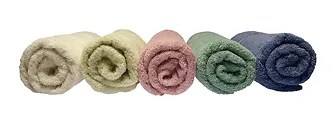
- Tactile sensitivities: These are among the most commonly observed types of sensitivities in children with autism. Many children may refuse to wear certain types of clothing due to the texture of the material, while others may react strongly to physical touch, such as being hugged or touched accidentally.
- Olfactory and gustatory sensitivities: Regarding smells and tastes, children with autism may show heightened sensitivity, reacting extremely to certain odors or foods with strong tastes or unpleasant textures.
These sensitivities not only cause physical discomfort but can also affect a child’s behaviors and social interactions, creating additional barriers to their integration into educational or social environments.
2. Scientific Research on Sensory Sensitivities in Autism
Scientific studies have shown that sensory sensitivities are a key feature of autism spectrum disorders. A study conducted by Ben-Sasson et al. (2009) emphasized that children with autism exhibit significantly more exaggerated responses to sensory stimuli compared to neurotypical children. This is a central aspect of their experience and can contribute to repetitive behaviors and social withdrawal (Ben-Sasson et al., 2009).
Another important study by Tomchek and Dunn (2007) found that sensory sensitivities are not only a symptom of autism but also a predictor of the severity of the disorder. Their study highlighted that children with autism who had more intense sensory sensitivities showed more difficulties adapting to social and educational environments, being more likely to exhibit avoidance and withdrawal behaviors (Tomchek & Dunn, 2007).
Additionally, more recent research, such as that conducted by Green et al. (2017), suggested that sensory sensitivities may be closely linked to levels of anxiety and stress in children with autism. They found that intense sensory stimuli could trigger anxiety responses and lead to avoidance behaviors, underscoring the importance of addressing these sensitivities in therapeutic interventions (Green et al., 2017).
3. The Impact of Sensory Sensitivities on Daily Life
Sensory sensitivities can have a significant impact on the daily life of a child with autism. These sensitivities not only influence their behaviors but also their ability to learn, interact with others, and participate in educational and social activities.
- Difficulties at school: Many children with autism struggle to concentrate in a school environment due to visual and auditory sensitivities. For example, bright lights or constant background noise can interfere with their ability to learn. Additionally, their reactions to sensory stimuli may create difficulties in social interactions with other children.
- Social withdrawal: Sensory sensitivities can contribute to social withdrawal in children with autism. For example, if a child is bothered by the noise in a crowded space or by physical contact, they may avoid such situations, leading to socially withdrawn behavior.
- Avoidance behaviors: Strong reactions to stimuli can lead to avoidance behaviors, such as agitation or tantrums. For example, a child may start crying or shouting when exposed to a loud noise or when required to wear a certain type of clothing. These behaviors may be misinterpreted as aggression or noncompliance, but they are, in fact, responses to sensory discomfort.
4. Therapeutic Approaches to Managing Sensory Sensitivities
Managing sensory sensitivities is crucial for supporting the development of children with autism. Several therapeutic approaches can help in this regard, including:
- Occupational therapy: Occupational therapy focuses on adjusting the environment to help children with autism better manage sensory stimuli. Therapy may involve activities that help the child learn to tolerate or self-regulate in the face of sensory stimuli. Ayres Sensory Integration Therapy (ASI) is a popular approach that involves various techniques to help children control their sensory responses (Case-Smith & Arbesman, 2008).
- Gradual desensitization: This method involves gradually exposing the child to stimuli that bother them in a controlled manner and at a pace that does not cause anxiety. The goal is to help the child gradually become accustomed to these stimuli, reducing the intensity of their reactions.
- Self-regulation techniques: In a therapeutic program, self-regulation techniques such as deep breathing or using calming sensory objects (e.g., textured balls or toys) can be taught to help children cope with moments of sensory discomfort.

5. Conclusion
Sensory sensitivities are a fundamental aspect of autism spectrum disorders and can have a significant impact on a child’s life. Scientific studies support the idea that these sensitivities are a frequent and major characteristic of autism, and proper management is essential for the child’s well-being. Understanding and recognizing sensory sensitivities is an important step in supporting children with autism, facilitating therapeutic interventions, and helping them integrate more easily into social and educational settings.
References:
- Ben-Sasson, A., Carter, A. S., & Camp, B. (2009). Sensory over-responsivity and emotional and behavioral problems in children with autism spectrum disorders. Journal of Autism and Developmental Disorders, 39(2), 173-186.
- Tomchek, S. D., & Dunn, W. (2007). Sensory processing in children with autism spectrum disorders: A review of current research. Journal of Autism and Developmental Disorders, 37(3), 472-485.
- Green, V. A., Pritchard, M. E., & Sigafoos, J. (2017). Sensory processing issues in autism spectrum disorders. Research in Autism Spectrum Disorders, 32, 53-63.
- Case-Smith, J., & Arbesman, M. (2008). A systematic review of the effectiveness of occupational therapy interventions for children with autism. American Journal of Occupational Therapy, 62(4), 416-429.
 KIDSMIND
Leave a comment